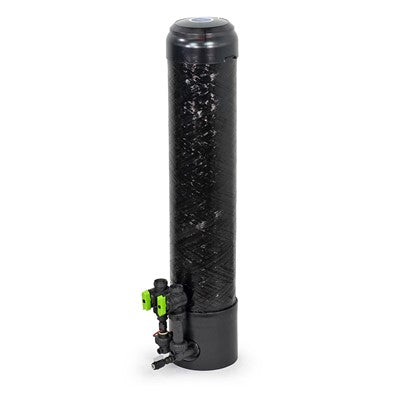
Lohnes, ND 58381 - Iron Sulphur Space Saver Pro Filter

$1,976.00 $2,389.00
Water Softener Plus Iron Sulphur Water Filter
✓ Free shipping in the USA · ✓ 90-day returns · ✓ Secure checkout

Combatting Iron and Sulfur Issues in Lohnes, ND 58381
In Lohnes, ND 58381, many homeowners have faced challenges with unpleasant tastes, odors, and staining caused by iron and sulfur in their water. There’s a particular inconvenience when plumbing fixtures and laundry show signs of rust or staining caused by iron, while the characteristic “rotten egg” smell indicates the presence of hydrogen sulfide. These common issues can reduce the overall quality of household water and can lead to costly repairs or replacements of plumbing and appliances.
Understanding Local Water Chemistry
The groundwater in Lohnes tends to have higher concentrations of iron and sulfur, which can manifest in various ways throughout your home. As water flows through soil and rock formations, it can dissolve iron and sulfur minerals, resulting in elevated levels that might exceed acceptable limits for household use. This is a widespread concern in agricultural regions, where soil composition and agricultural runoff can contribute to higher contaminant levels.
Impact of Hard Water
In addition to iron and sulfur, many residents may also encounter hard water issues. Hard water is characterized by high levels of calcium and magnesium, which can compound problems when combined with iron and sulfur. Over time, these minerals can lead to scale buildup in plumbing systems, water heaters, and appliances, potentially shortening their lifespan and efficiency.
Benefits of the Iron Sulphur Space Saver Pro Filter
The Iron Sulphur Space Saver Pro Filter is designed to tackle the specific contaminant issues prevalent in Lohnes. It utilizes advanced filtration technology that effectively removes iron and sulfur from your water supply. This not only enhances the taste and odor of your water but also prevents staining and the formation of scale within your plumbing systems.
- Compact Design: The space-saving design allows for installation in tight spaces, making it ideal for basements, under sinks, or in laundry rooms. This is a crucial consideration for many households where space is at a premium.
- Effective Removal: The filter system employs aeration and filtration methods specifically designed to remove iron and reduce hydrogen sulfide levels, ensuring cleaner, better-tasting water.
- Low Maintenance: With a significantly improved filtration capacity, maintenance intervals are less frequent. Along with routine checks, the system is designed for easy access to filters for replacement and maintenance.
Sizing the System for Your Home
When choosing the right water treatment solution, proper sizing is vital. The Iron Sulphur Space Saver Pro Filter is available in various configurations to accommodate the unique demands of different household sizes. Factors to consider when sizing your filter include:
- The total number of occupants in the home.
- Water consumption habits; for example, do you have multiple showers running at peak times?
- Specific water quality concerns unique to your location, such as the levels of iron and sulfur.
Consulting with a local expert is advisable, as they can provide guidance tailored to the specific water chemistry of your home and assist in calculating the right capacity for your needs.
Installation Considerations
Installing the Iron Sulphur Space Saver Pro Filter also requires careful consideration of plumbing configurations and existing water supply lines. Professionals can assess your home to determine the most efficient installation location, generally near the point of entry where water enters the home. This ensures that all taps receive treated water, providing comprehensive coverage for household needs.
Existing plumbing may require modifications, especially if you have outdated fixtures or limited accessibility. Engaging a qualified plumber for installation ensures that the system operates efficiently and safely, adhering to local codes and regulations.
Maintenance and Care
Ongoing maintenance is essential to ensure the longevity and effectiveness of your Iron Sulphur Space Saver Pro Filter. While it requires less frequent maintenance than some other systems, it is still important to regularly check the system for signs of wear or system failure. Recommended maintenance practices include:
- Regularly inspecting filters and replacing them as needed to maintain optimal performance.
- Checking the system for leaks or any irregularities that might hinder performance.
- Conducting periodic water quality tests to monitor changes in water chemistry and ensure contaminants are being effectively managed.
By adhering to these maintenance practices, you can enjoy peace of mind knowing that your water supply is to the standard you expect.
Conclusion: Improving Your Water Quality
Investing in the Iron Sulphur Space Saver Pro Filter can significantly enhance your quality of life in Lohnes, ND 58381. With the ability to remove iron and sulfur contaminants effectively, this filtration system helps ensure that your water is clean, safe, and pleasant to use. From protecting your plumbing and appliances to improving the aesthetic quality of water, making the right choice in water treatment solutions can lead to long-term benefits for your household.
Understanding Water Quality Parameters
To fully appreciate the benefits of the Iron Sulphur Space Saver Pro Filter, it’s important to understand the specific water quality parameters it addresses. Water quality is influenced by a variety of factors, including pH levels, hardness, total dissolved solids (TDS), and the presence of specific contaminants. Understanding these parameters can help homeowners make informed decisions about their water treatment needs.
pH Levels
The pH scale measures how acidic or basic water is, which can significantly influence taste and water quality. Ideally, drinking water should have a pH level between 6.5 and 8.5. Water that is too acidic can corrode plumbing fixtures, while water that is too basic may lead to scale buildup in pipes and appliances. The Iron Sulphur Space Saver Pro Filter does not directly alter pH levels but can help remove metals and minerals that contribute to these imbalances.
Water Hardness
Water hardness refers to the concentration of calcium and magnesium ions in the water. Hard water can lead to limescale buildup in pipes and on appliances such as dishwashers and water heaters. This is not only a nuisance but can reduce the efficiency of heated appliances and lead to costly repairs. While the Iron Sulphur Space Saver Pro Filter primarily focuses on iron and sulfur, it can indirectly help with general water quality, making it a better choice for treating hard water contaminants when used in conjunction with a water softening system.
Total Dissolved Solids (TDS)
Total dissolved solids refer to the overall concentration of dissolved substances in water, which may include minerals, salts, and metals. High levels of TDS can affect the taste of drinking water and indicate potential contamination. Regular testing of TDS levels and integrating a comprehensive filtration system, like the Iron Sulphur Space Saver Pro Filter, ensures that these dissolved solids are managed effectively.
Common Contaminants and Their Impact
Understanding the specific contaminants that may be present in your water supply can help homeowners determine the appropriate filtration solutions. Beyond iron and sulfur, several other contaminants can affect water quality.
Heavy Metals
- Lead: Often found in water due to corroded plumbing pipes, lead can have serious health impacts, including developmental issues in children.
- Mercury: This heavy metal can enter water supplies through industrial discharge and can cause kidney and neurological damage.
- Arsenic: Naturally occurring in some groundwater supplies, arsenic exposure can lead to severe health problems, including cancer.
Microbial Contaminants
- Bacteria: Coliform and E. coli can signal contamination and pose serious health risks, especially for vulnerable populations.
- Viruses: Waterborne viruses can cause gastrointestinal illnesses and other infections.
- Cysts: Protozoan cysts like Giardia and Cryptosporidium can infiltrate water supplies, leading to outbreaks of illness.
Organic Compounds
Organic contaminants, often originating from agricultural runoff or industrial waste, can include pesticides and solvents that impact both health and taste. Addressing these through appropriate filtration methods is crucial for maintaining safe drinking water.
Water Testing and Analysis
Regular testing of your water quality can provide valuable insights into the specific contaminants present and inform your choice of filtration systems. Understanding the testing process and utilizing professional services can help ensure comprehensive analysis.
Types of Water Tests
- Physical Tests: Assess turbidity, color, and taste, giving an immediate indication of water quality.
- Chemical Tests: Measure pH, hardness, TDS, and the presence of heavy metals and other chemical contaminants.
- Microbiological Tests: Screen for harmful bacteria and viruses that can impact health.
Choosing a Testing Service
When selecting a water testing service, look for certified laboratories that adhere to EPA guidelines. They should provide detailed reports that specify contamination levels and recommended actions. Regular testing, ideally annually, can help track changes in your water quality over time.
Complementary Filtration Systems
While the Iron Sulphur Space Saver Pro Filter excels at removing iron and sulfur, homeowners may find it beneficial to consider complementary systems that address a broader range of water quality issues.
Water Softeners
When hard water is a concern, integrating a water softener with the Iron Sulphur Space Saver Pro Filter can improve overall water quality. Water softeners replace calcium and magnesium ions with sodium or potassium ions, reducing hardness and preventing scale buildup in plumbing and appliances.
Reverse Osmosis Systems
For more comprehensive filtration, particularly against organic compounds and heavy metals, a reverse osmosis (RO) system can be integrated into your water treatment plan. This system uses a semipermeable membrane to remove contaminants, ensuring safe and clean drinking water. Combining RO with the Iron Sulphur Space Saver Pro Filter can provide an almost complete purification solution.
Ultraviolet (UV) Purifiers
UV purifiers utilize ultraviolet light to kill bacteria and viruses, providing an extra layer of protection for your water supply. This technology can be especially useful in rural areas or homes with private wells where the risk of microbial contamination may be higher. Pairing a UV purifier with your filtration system enhances your drinking water's safety and reliability.
Water Conservation Strategies
In addition to improving water quality, homeowners can implement conservation strategies to make their water use more sustainable. These practices can help reduce overall water consumption, which is not only beneficial for the environment but can also lower utility bills.
Efficient Appliances
Investing in water-efficient toilets, showers, and faucets can significantly reduce water usage without sacrificing performance. Look for the WaterSense label when choosing fixtures to ensure they meet efficiency criteria.
Rainwater Harvesting
Harvesting rainwater through collection systems can provide an alternative water source for landscaping, washing cars, or even indoor use with proper filtration. This practice not only conserves municipal water resources but can also reduce stormwater runoff.
Smart Irrigation Practices
Implementing smart irrigation practices, such as using drip systems or smart controllers, can minimize water usage in gardens and lawns while ensuring plants receive adequate moisture. This not only conserves water but promotes healthier plant growth.
Regulatory Standards and Compliance
Understanding the regulatory environment surrounding water quality can help homeowners stay compliant and informed about their rights and responsibilities regarding clean water access.
Local and Federal Regulations
The Environmental Protection Agency (EPA) sets standards for drinking water quality through the Safe Drinking Water Act (SDWA), regulating contaminants and guiding municipalities in providing safe water. Homeowners should familiarize themselves with local regulations, as state standards may vary.
Consumer Rights
As consumers, homeowners have the right to access information about their water quality, including Annual Water Quality Reports provided by local water utilities. Understanding these reports can empower homeowners to take appropriate action regarding water treatment and safety. Regular engagement with local authorities regarding water quality issues is essential for maintaining safe drinking water in your community.
Enhancing Water Taste and Odor
Improving the taste and odor of water can significantly enhance overall satisfaction and encourage better hydration habits. A few strategies can be implemented alongside filtration to achieve this goal.
Activated Carbon Filters
Activated carbon filters are highly effective in adsorbing organic compounds and chlorine, which can cause undesirable tastes and odors. Adding a point-of-use activated carbon filter at your kitchen sink can provide a noticeable improvement in water quality.
Chiller and Infusion Techniques
Chilling water can enhance its taste, making it more refreshing. Infusing water with fruits, herbs, or cucumber can also create a flavorful alternative to sugary beverages, promoting healthy hydration without reliance on processed drinks.
Water Softening Solutions
Hard water is a common issue that can lead to scale buildup in pipes, appliances, and fixtures. Water softening can alleviate these problems and enhance the effectiveness of soaps and detergents.
Understanding Hard Water
Hard water contains high levels of calcium and magnesium ions, which can cause negative effects on plumbing and appliances. This can lead to increased energy costs, as appliances may work less efficiently when scale is present. Recognizing the signs of hard water, such as soap scum and reduced water pressure, is the first step in addressing the issue.
Types of Water Softeners
- Ion-Exchange Softeners: These systems replace calcium and magnesium ions with sodium or potassium ions, effectively reducing water hardness.
- Salt-Free Softeners: Instead of removing minerals, these systems prevent scale buildup by modifying the structure of calcium and magnesium, making them less likely to accumulate.
- Magnetic Softeners: These devices claim to change the physical properties of hard water using magnetic fields, though their effectiveness is sometimes debated.
Maintaining Your Water System
Regular maintenance of your water system is essential for ensuring continued water quality and efficiency. This includes routine checks and replacements of filters and other components.
Routine Checks
Establishing a schedule for checking water filtration systems, softeners, and plumbing can prevent small issues from developing into larger problems. Homeowners should inspect for leaks, unusual noises, or decreased flow rates as indicators that maintenance may be needed.
Filter Replacement
Different systems have varying filter lifespans. Knowing when to replace filters—either through use of a timer or a pressure gauge—can prevent contaminants from accumulating in your drinking water. Regularly monitoring the usage and following manufacturer guidelines ensures optimal performance.